Aluminium Scaffolding: An Advanced Approach to Safe and Efficient Construction
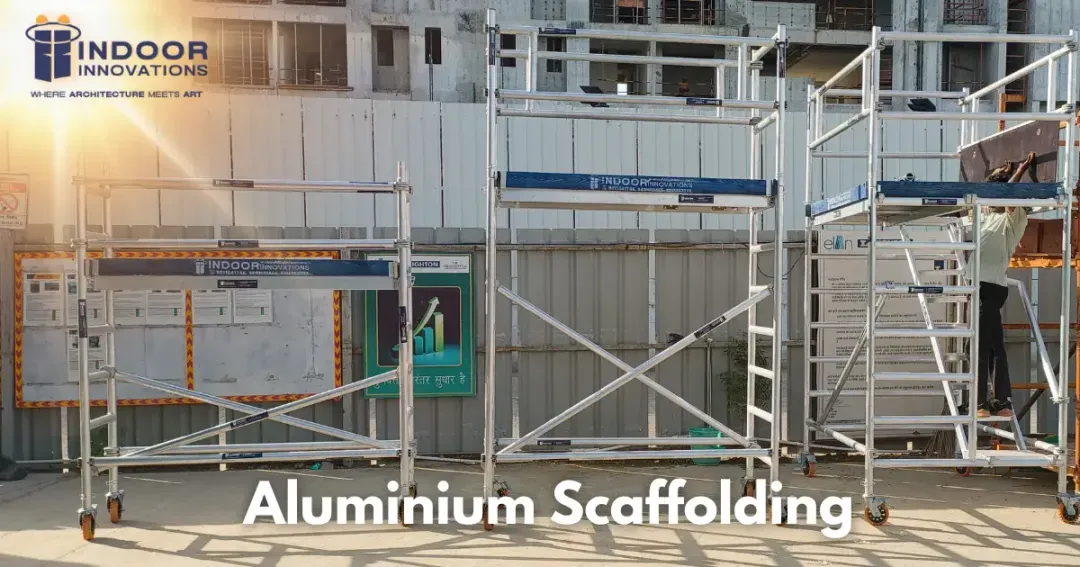
Within today’s rapidly evolving construction and maintenance sector, safety, efficiency, and adaptability are vital. Across industries, the growing preference for Aluminium Scaffolding is driven by its lightweight build, strength, and ease of handling. Whether it is for residential projects, commercial construction, or industrial maintenance, aluminium scaffolds provide a reliable platform for working at height. As innovative construction solutions gain traction, organisations depend on reliable scaffold manufacturer providers to guarantee quality and safety across projects.
Defining Aluminium Scaffolding
Aluminium scaffolding is a temporary structure crafted from high-grade aluminium designed to assist workers and equipment in construction, repair, and maintenance activities. Compared to conventional steel scaffolding, an Aluminium Scaffold is much lighter, allowing easier transportation, assembly, and dismantling.
They are built using modular parts that enable quick modifications to suit varying project needs. From simple access towers to complex multi-level platforms, aluminium scaffolding offers versatility for a wide range of applications. With corrosion-resistant qualities, it is well-suited for indoor as well as outdoor use, offering long-lasting performance in demanding environments.
Benefits of Aluminium Scaffolding
A major advantage of Aluminium Scaffolding is its light construction. This enables quicker handling and installation, lowering labour effort and saving time on site. Workers are able to relocate and adjust the scaffold easily without heavy equipment, enhancing efficiency.
A further key benefit is long-term durability. Since aluminium resists rust and corrosion, the scaffolding maintains its strength and stability over time. This makes it a cost-effective investment for construction companies and contractors who require long-lasting equipment.
Safety remains a crucial consideration. They are equipped with reliable locking systems, slip-resistant platforms, and robust guardrails. These features help minimise the risk of accidents and create a safer working environment. Dependable scaffolding systems are vital for sustaining productivity while ensuring worker safety at height.
Uses of Aluminium Scaffolding in Various Industries
Its adaptability enables aluminium scaffolding to be utilised across various sectors. In the construction field, it is frequently used for structural work, plastering, painting, and façade finishing. The flexible design allows it to adapt to projects of diverse scales and heights.
Across industrial sectors, aluminium scaffolds assist in equipment checks, repairs, and installation work. Their light build enables easy relocation within factories, warehouses, and production units.
The use of Aluminium Scaffold systems is also widespread in the event industry. From stage setups to lighting installations, these scaffolds provide stable and secure support for technicians working at elevated positions. Moreover, they Scaffold manufacturer are frequently utilised for cleaning and upkeep in commercial complexes, shopping centres, and airports.
Why the Right Scaffold Manufacturer is Essential
Choosing a reliable scaffold manufacturer is vital for maintaining quality, safety, and efficiency. Trusted manufacturers prioritise high-quality materials, precise design, and rigorous quality control. This ensures that the scaffolding system meets industry standards and delivers reliable performance under different working conditions.
Experienced manufacturers also offer a variety of designs tailored to specific project needs. Whether it is a mobile tower, folding scaffold, or customised solution, choosing the right provider ensures that you get equipment suited to your requirements. Additionally, professional manufacturers provide guidance on proper usage, assembly, and maintenance, helping users maximise the lifespan of their scaffolding systems.
Simple Assembly and Easy Portability
One of the standout features of aluminium scaffolding is its ease of assembly. The modular design allows workers to set up the structure quickly without requiring specialised tools or extensive training. This minimises downtime and ensures smoother project execution.
Ease of transport is also a significant advantage. Aluminium’s light weight allows easy transportation between sites. This is particularly beneficial for contractors who work on multiple sites and need equipment that can be moved quickly and effortlessly. The ease provided by advanced scaffolding systems boosts workflow and efficiency.
Durability and Maintenance
Maintaining aluminium scaffolding is relatively simple compared to other materials. Because aluminium resists rust, maintenance needs are low, making it ideal for long-term applications. Routine checks and simple cleaning help maintain the scaffold effectively.
Choosing premium Aluminium Scaffolding guarantees durability and steady performance. With correct maintenance, these systems remain usable for years with minimal wear. This makes them a popular choice for companies aiming to balance cost efficiency with safety.
Sustainability Benefits of Aluminium Scaffolding
Beyond performance, aluminium scaffolding offers environmental advantages. Aluminium is a recyclable material, which means it can be reused and repurposed without losing its quality. As a result, waste is minimised and sustainability is supported.
Using aluminium scaffolds contributes to lower environmental impact compared to other materials. As industries increasingly focus on sustainability, choosing eco-friendly scaffolding solutions helps businesses align with responsible construction practices while maintaining efficiency and performance.
Safety Guidelines for Aluminium Scaffolding
Even though aluminium scaffolding is safe by design, proper handling is necessary to minimise hazards. It is important for workers to confirm correct assembly with all elements tightly locked. Regular inspections should be conducted to identify any signs of wear or damage.
Using protective equipment such as helmets, harnesses, and non-slip footwear further enhances safety. It is also important to follow weight limits and avoid overloading the scaffold. By adhering to safety guidelines, businesses can create a secure working environment and reduce the likelihood of accidents.
Final Thoughts
Aluminium scaffolding has revolutionised construction and maintenance processes. Its light structure, strength, and adaptability make it suitable for numerous applications. From improving efficiency to enhancing safety, modern Aluminium Scaffold systems offer significant advantages over traditional alternatives. By choosing a reliable scaffold manufacturer and following proper safety practices, businesses can ensure smooth operations and long-term performance. With ongoing industry advancements, aluminium scaffolding stands as a dependable and innovative option for working at height.